Overview
The professional bachelor's degree in animal science trains specialists in animal production. Students study the anatomy and physiology of farm animals, their nutrition, their reproduction and herd genetic improvement.
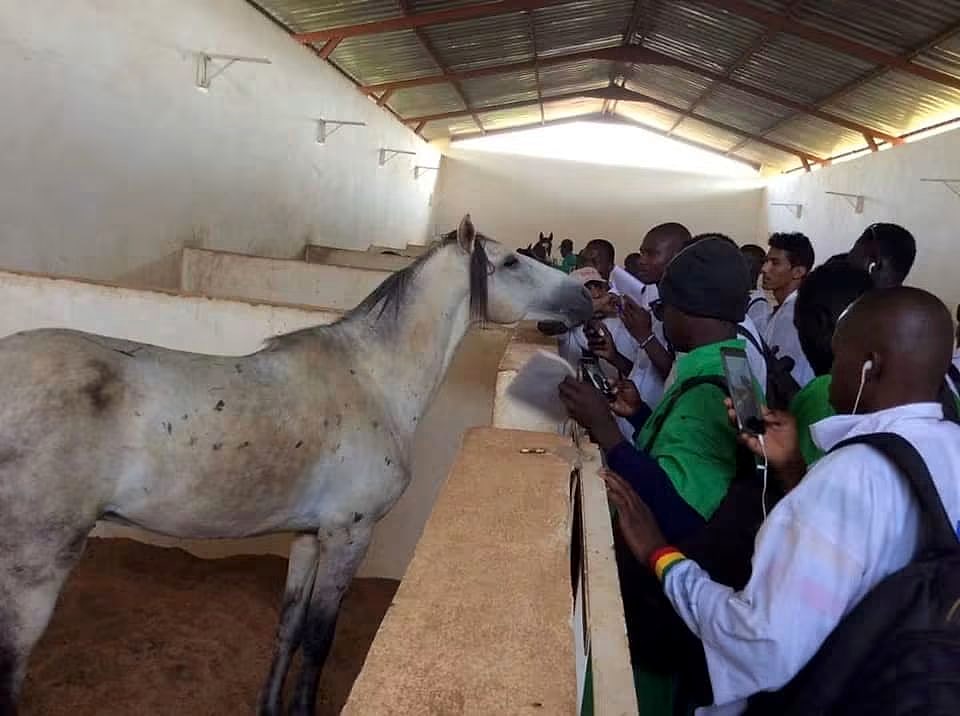
Teaching is built on practical work and visits to cattle, sheep, goat and poultry farms, linking scientific knowledge to the day-to-day running of a farm.
Objectives
- Master the biological foundations of animal production.
- Design feed rations suited to each species and production goal.
- Organise herd reproduction and genetic improvement.
- Manage a livestock farm technically and financially.
Target skills
- Formulate a ration from locally available resources.
- Monitor growth, milk or egg production performance.
- Set up a disease prevention plan with veterinary services.
- Design suitable livestock buildings and equipment.
- Advise livestock farmers.
Curriculum
First year (S1-S2): animal biology, anatomy and physiology, chemistry, biochemistry, statistics, computing, communication skills.
Second year (S3-S4): animal feeding and nutrition, reproduction, genetics, animal hygiene and health, forage crops.
Third year (S5-S6): cattle, sheep, goat and poultry production, farm management, extension, professional internship and final dissertation.
Indicative curriculum: the distribution of courses may change from one academic year to the next.
Career opportunities
- Senior livestock technician
- Livestock or poultry farm manager
- Animal production advisor
- Animal feed technician
- Livestock project officer
Career outcomes also depend on internship experience and each student's career plans.
Interested in this program?
Send your pre-registration or ask the school your questions.