Overview
The professional bachelor's degree in Agroforestry trains specialists in sustainable land management. Students learn to design systems that combine trees, crops and livestock to improve soil fertility, diversify income and combat land degradation.
The program covers silviculture, nursery work, soil and water conservation and climate change adaptation, all major challenges for farming areas in the Sahel.
Objectives
- Understand the interactions between trees, crops, animals and soils.
- Design agroforestry systems suited to local conditions.
- Restore degraded land and protect water resources.
- Support reforestation and rural development projects.
Target skills
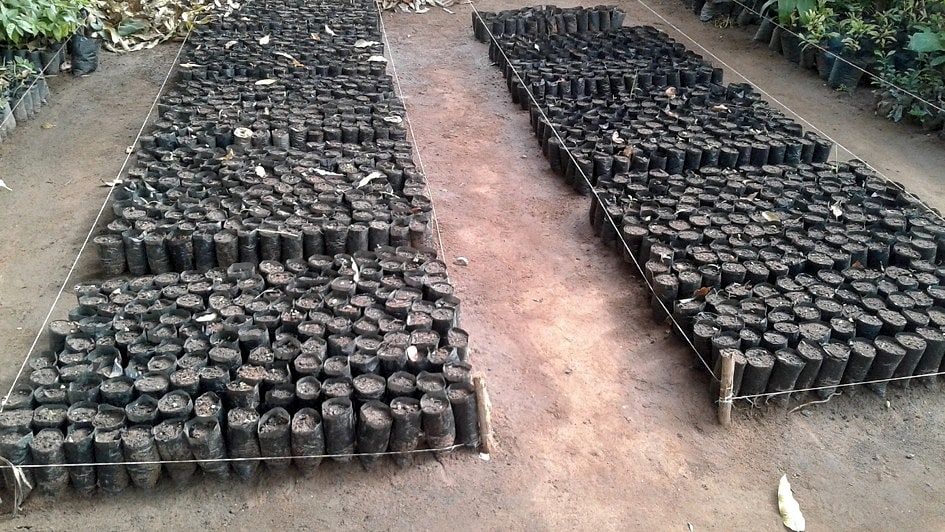
- Raise seedlings in a nursery.
- Plant and maintain hedges, windbreaks and parkland trees.
- Apply soil and water conservation techniques.
- Carry out a simple forest inventory.
- Lead farmer groups.
Curriculum
First year (S1-S2): plant biology, ecology, soil science, botany, statistics, computing.
Second year (S3-S4): silviculture, nursery techniques, agronomy, soil and water conservation, mapping.
Third year (S5-S6): agroforestry systems, natural resource management, climate change, project management, professional internship and final dissertation.
Indicative curriculum: the distribution of courses may change from one academic year to the next.
Career opportunities
- Agroforestry technician
- Natural resource management technician
- Nursery manager
- Reforestation project facilitator
- Climate change adaptation project officer
Career outcomes also depend on internship experience and each student's career plans.
Interested in this program?
Send your pre-registration or ask the school your questions.