Overview
This professional bachelor's degree prepares students for technical careers in animal health. They build solid foundations in anatomy, physiology, microbiology, parasitology and pharmacology, as well as in preventing diseases in farm animals.
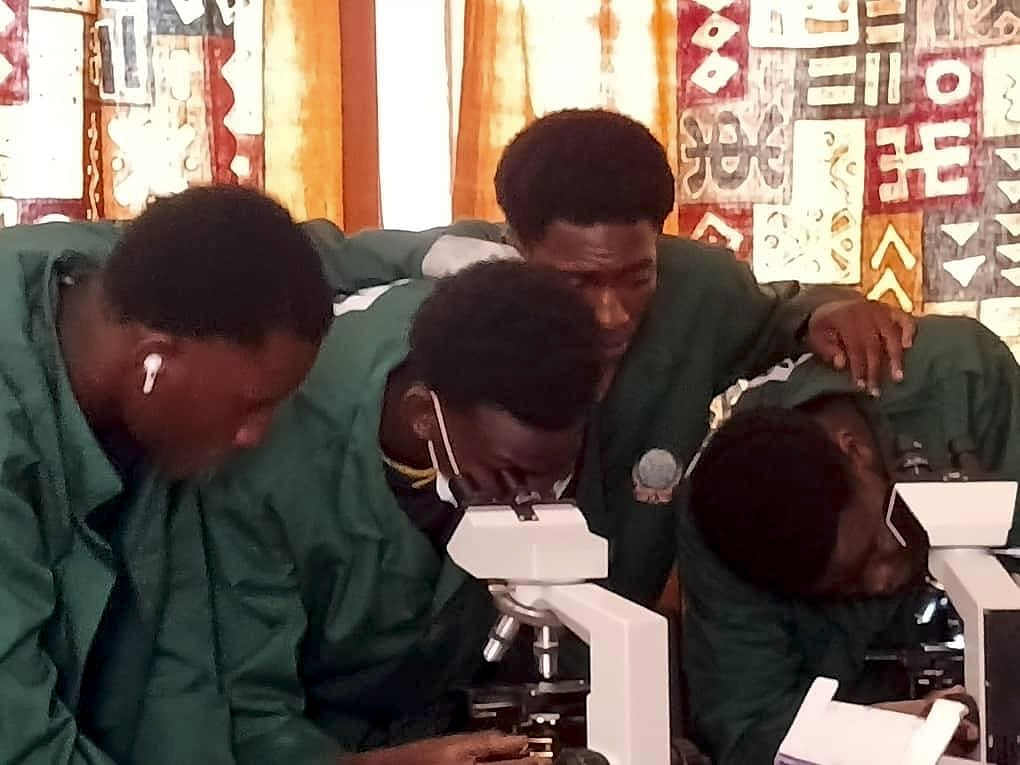
Laboratory work and internships with veterinary services teach them to take part in diagnosis, vaccination campaigns and herd health monitoring, under the authority of a veterinarian.
Objectives
- Understand the healthy animal body and the main diseases of farm animals.
- Take part in preventing and controlling animal diseases.
- Carry out routine laboratory tests.
- Contribute to the hygiene and safety of food of animal origin.
Target skills
- Examine an animal and recognise signs of disease.
- Take samples and carry out simple laboratory analyses.
- Organise a vaccination or deworming campaign.
- Apply hygiene and biosecurity rules on farms.
- Use veterinary medicines responsibly.
Curriculum
First year (S1-S2): biology, animal anatomy and physiology, chemistry, biochemistry, statistics, computing.
Second year (S3-S4): microbiology, parasitology, immunology, pharmacology, clinical signs, animal nutrition.
Third year (S5-S6): farm animal diseases, epidemiology, food hygiene, veterinary public health, legislation, professional internship and final dissertation.
Indicative curriculum: the distribution of courses may change from one academic year to the next.
Career opportunities
- Senior animal health technician
- Veterinary laboratory technician
- Vaccination campaign officer
- Food hygiene officer for products of animal origin
- Veterinary products representative
Career outcomes also depend on internship experience and each student's career plans.
Interested in this program?
Send your pre-registration or ask the school your questions.